
How to Protect Your Home's Foundation Year-Round
A residential property represents one of the largest structural and financial investments a homeowner will ever make. Supporting the entire load of walls, framing, roofs, and interior finishes, a solid base is vital to the long-term safety and livability of any building. However, environmental conditions fluctuate dramatically across the seasons, exerting continuous physical stress on structural footings, concrete slabs, and crawl spaces. Extreme precipitation, prolonged droughts, freeze-thaw cycles, and shifting soil compositions can slowly compromise underlying structural components. Without proactive seasonal maintenance and an understanding of preventative care, subtle warning signs can escalate into significant architectural hazards. Learning how to maintain moisture stability around the perimeter, preserve grading slopes, and monitor structural integrity throughout the calendar year ensures that a residence remains secure for decades.
Implementing Seasonal Protective Strategies
Seasonal weather transitions place fluctuating demands on residential bases. By planning maintenance routines around calendar quarters, property owners can proactively address environmental threats before structural settlement occurs.
Managing Spring Moisture Infiltration
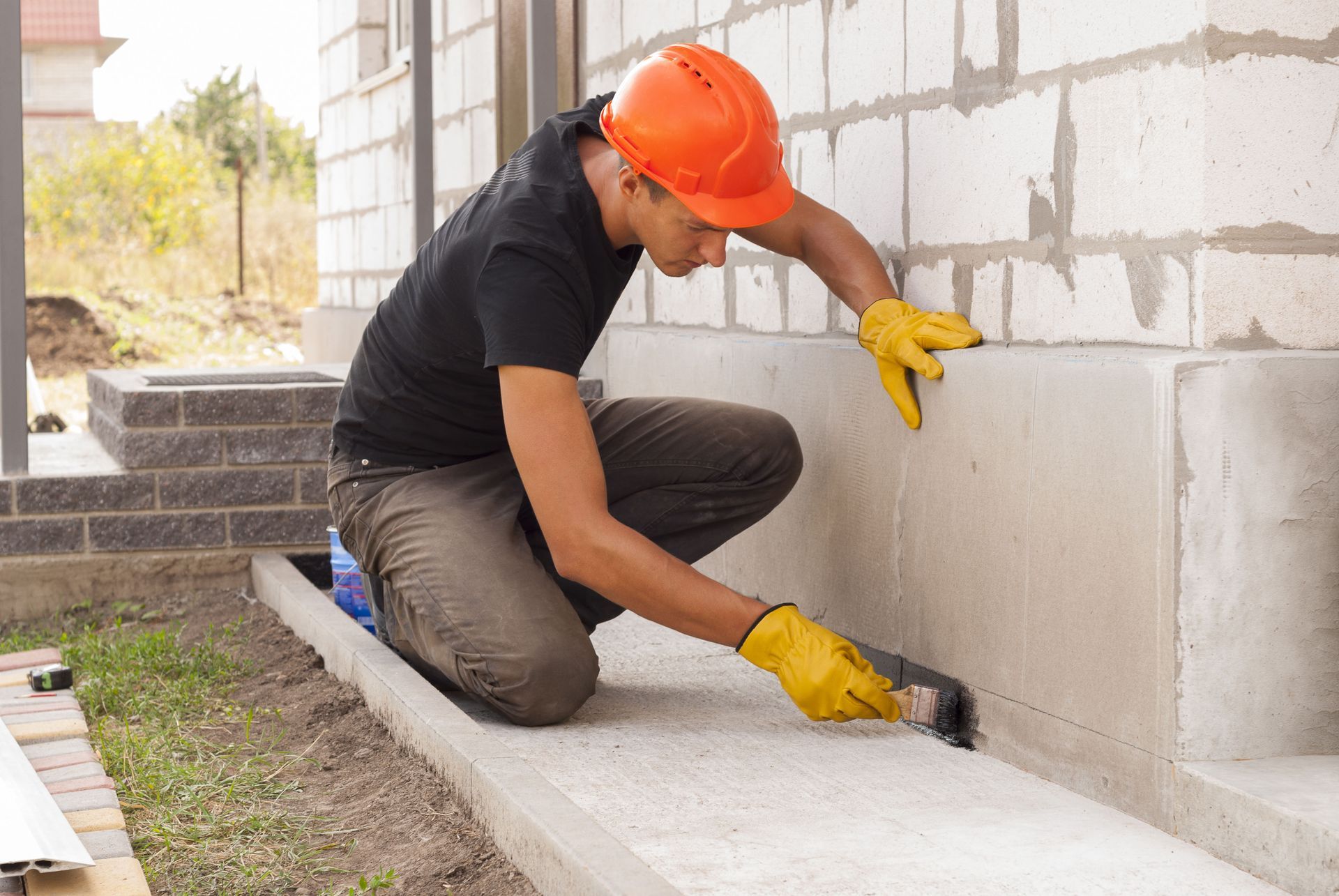
Spring typically introduces heavy rainfall, snowmelt, and rising groundwater tables. When expansive clay soils become saturated, they expand against exterior walls, creating lateral hydrostatic pressure. Property owners should inspect roof gutters and downspouts to ensure rainwater discharges at least five feet away from the base perimeter. Clearing debris from subterranean drainage channels, French drains, and surface swales prevents stagnant water from pooling against exterior walls. If water manages to seep into basements or lower crawl spaces during early spring storms, consulting professional foundation repair services can help determine whether subsurface hydrostatic relief or perimeter sealing is required.
Counteracting Summer Soil Desiccation
Summer weather patterns bring high heat, direct sunlight, and prolonged periods of dry weather. During extended dry spells, the soil surrounding a home shrinks and pulls away from exterior walls, creating a perimeter gap. This shrinkage removes structural support beneath slabs and footings, often causing differential settlement. Setting up a perimeter soaking routine using targeted drip hoses can help stabilize soil moisture content throughout severe summer heatwaves. Homeowners must apply water evenly around the entire exterior rather than concentrating on isolated garden beds. Uneven hydration encourages uneven settlement, which frequently requires foundation repair services to restore balance beneath the home.
Clearing Autumn Drainage Pathways
Autumn represents the transition toward colder months and brings falling foliage that frequently obstructs critical exterior drainage systems. Clearing gutters, valley flashing, and ground drains prevents autumnal storms from overflowing directly adjacent to the structure. Homeowners should also evaluate the surrounding landscape slope during this season. Soil should ideally slope downward at a minimum rate of six inches over the first ten feet away from exterior walls. Restoring eroded soil levels along flowerbeds protects structural perimeters before the ground freezes solid and limits landscape adjustment.
Mitigating Winter Freezing Pressures
Winter presents unique challenges characterized by persistent frost, snow accumulation, and repetitive freeze-thaw cycles. Water trapped within shallow soil pores freezes, expands by roughly nine percent, and exerts intense upward force known as frost heave. Ensuring that perimeter drainage routes remain clear of heavy ice buildup minimizes standing surface water that could freeze against basement walls. Snow should also be shoveled away from the immediate perimeter rather than piled against the exterior siding. If shifting subgrade soils cause exterior brick cracks or interior drywall separations during freezing weather, residential foundation repair services can evaluate whether frost penetration has reached critical footing depths.
Identifying Common Structural Warning Signs
Structural issues rarely develop overnight; they manifest through subtle interior and exterior indicators. Prompt identification of these visual alerts prevents compounding structural failure throughout the superstructure.
Inspecting Interior Living Spaces
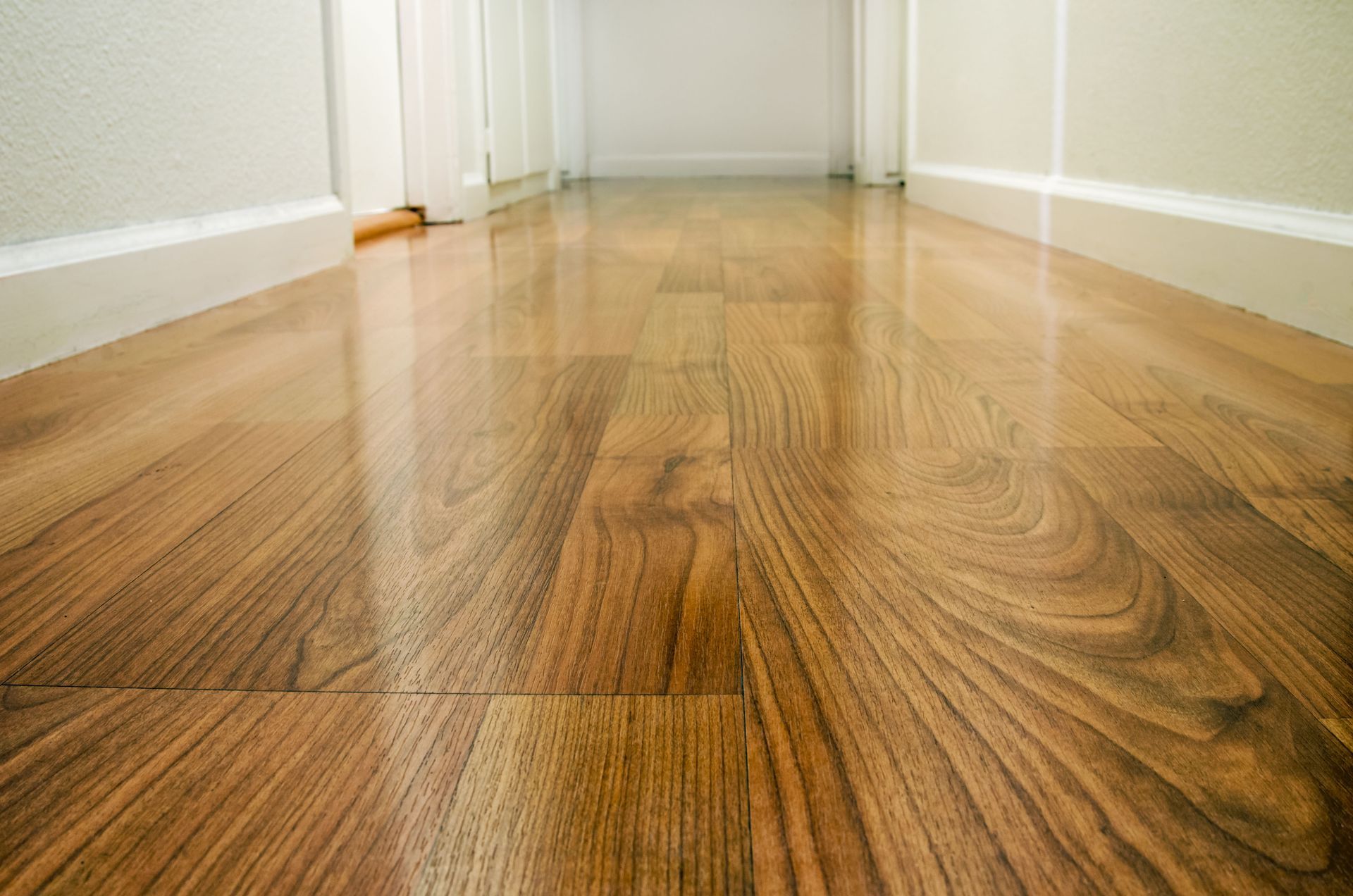
The interior finishes of a residence often provide the earliest visual evidence of structural movement beneath the ground. Door frames that stick, fail to latch, or swing open independently point toward uneven framing distortion caused by differential footing settlement. Homeowners should examine interior sheetrock for diagonal cracks extending from the upper corners of door frames and windows. In rooms with ceramic tile or hardwood floors, look for sloping planes, uneven gaps along baseboards, or cracked floor tiles. When several of these symptoms appear concurrently across multiple rooms, engaging foundation repair services allows for a comprehensive structural assessment using specialized digital level instrumentation.
Examining Exterior Masonry Patterns
A meticulous walk around the exterior perimeter reveals crucial details regarding the condition of concrete, brickwork, and mortar. Hairline shrinkage fissures are common in poured concrete, but horizontal cracks, stairstep separations in brick veneer, and outward wall bulges signal substantial distress. Exterior chimneys that lean away from the roofline or pull away from exterior siding provide another unmistakable indication of footing displacement. Documenting the location, width, and progression of exterior fissures helps engineering specialists design targeted remedies. In scenarios where exterior masonry demonstrates active lateral movement, timely intervention through foundation repair services helps prevent catastrophic wall failure.
Evaluating Lower Substructural Spaces
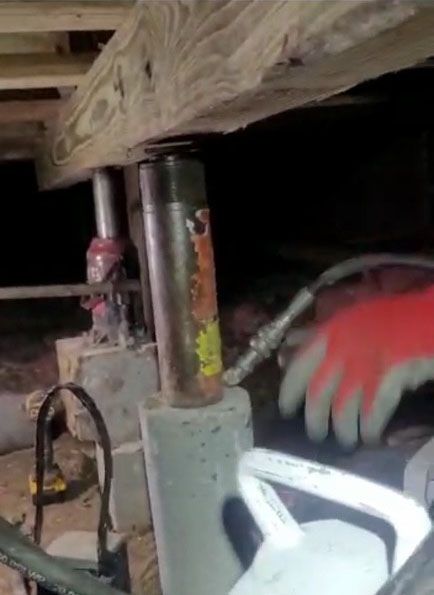
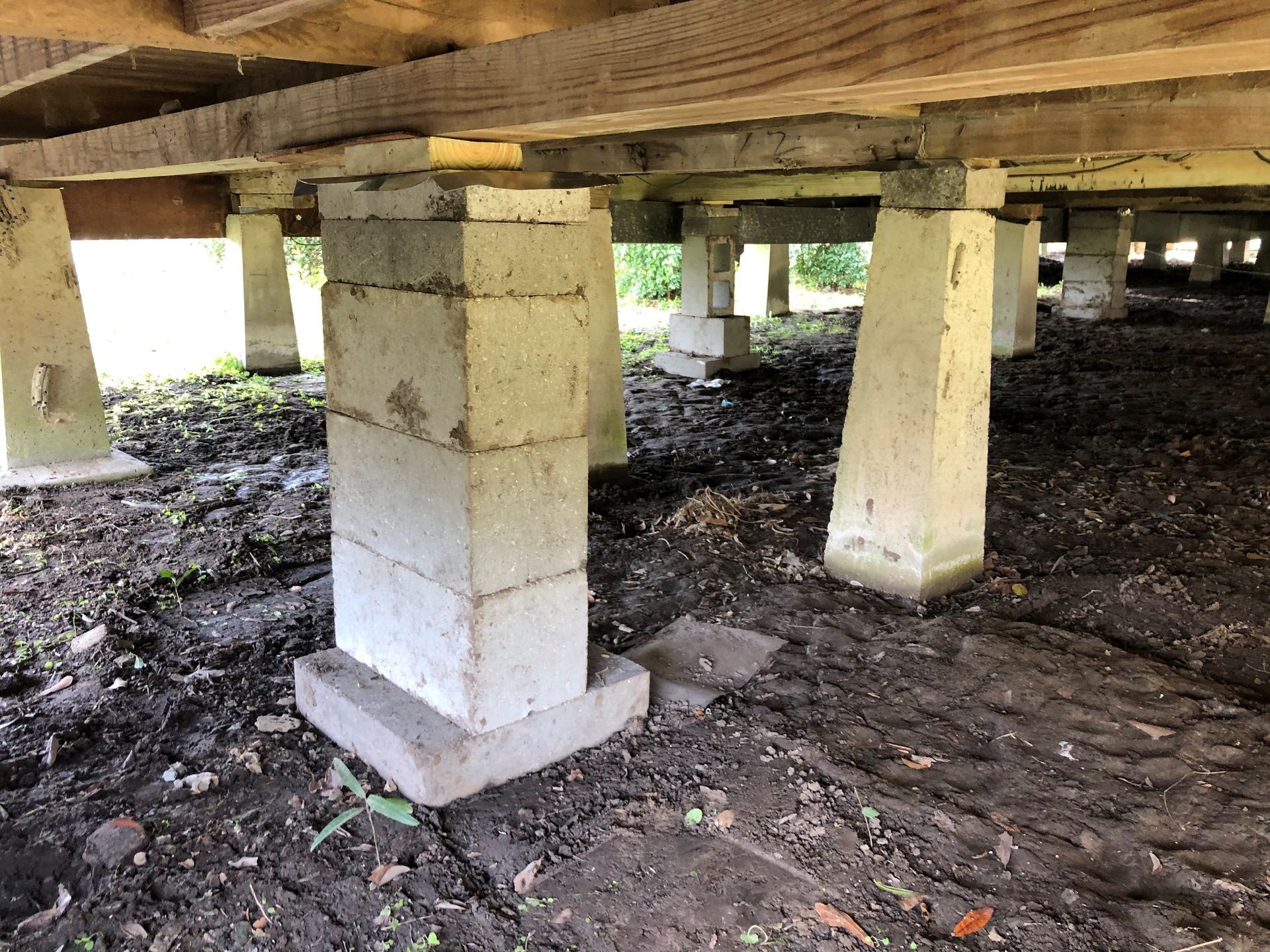
Basements and crawl spaces provide direct visual access to primary structural elements, including posts, piers, girders, and bearing walls. Damp, musty odors and recurring humidity in lower levels indicate that moisture is penetrating structural masonry. White, powdery mineral residue known as efflorescence forms on concrete walls when water evaporates and leaves behind crystalline salts, confirming chronic moisture migration. Crawl space support posts that lean or show signs of wood rot compromise the framing system above. According to Zipdo, the domestic market value for restoring structural foundations was anticipated to expand to $18.9 billion by 2025. This substantial financial volume highlights the widespread frequency of structural movement across properties nationwide and underscores why regular inspection of lower substructural areas remains critical.
Maintaining Exterior Environmental Conditions
Preserving structural stability requires managing the surrounding environmental ecosystem. How a homeowner configures vegetation, ground grading, and mechanical irrigation directly impacts the subgrade soil conditions supporting the structure.
Regulating Exterior Landscaping Layouts
Trees, mature shrubs, and dense landscaping beds can draw immense quantities of water out of the ground through their root networks. During dry seasons, a mature shade tree can consume upwards of one hundred gallons of water daily, desiccating the soil directly beneath a nearby slab. Large root systems can also exert direct physical pressure on below-ground walls, compromising waterproofing membranes and creating fracture lines. Homeowners should plant large trees at a distance equal to or greater than their anticipated mature height. Shrubs placed directly adjacent to exterior walls should be monitored closely to ensure their roots do not disrupt subsurface moisture equilibrium.
Controlling Irrigation System Performance
Automatic landscape irrigation systems, while convenient for maintaining lawns, represent a frequent source of undetected foundation issues. Leaking underground pipe fittings, misaligned sprinkler heads, and excessive watering schedules saturate subgrade soils unevenly. Water spraying directly against exterior siding or pooling against concrete walls rapidly degrades structural strength. Inspecting sprinkler zones monthly ensures that spray patterns direct moisture away from the building envelope. If broken underground lines remain undetected for months, the resulting soil erosion and settlement frequently necessitate structural stabilization through foundation repair services.
Preserving Yard Surface Grading
Over several seasons, natural foot traffic, decaying mulch, garden updates, and soil erosion can alter the slope of a yard. Flat or sunken ground creates depressions where rainwater gathers during intense storms. Maintaining a consistent positive slope away from all sides of the residence is an essential preventive measure. Homeowners should periodically replenish settled soil using dense clay-loam material rather than loose sand or permeable mulch, which allows water to drain straight through to footing depths. By keeping the exterior perimeter properly graded, water naturally sheds away into storm channels, reducing the overall likelihood of needing
foundation repair services to fix erosion-related shifting.
Sustaining Structural Stability Over Time
Protecting a residential building from seasonal distress requires ongoing attention, routine inspections, and a proactive management strategy. By implementing disciplined moisture management routines across spring, summer, fall, and winter, property owners maintain soil equilibrium and protect their structural perimeter from severe environmental forces. Promptly addressing minor drainage anomalies, monitoring structural settlement patterns, and managing landscape vegetation prevents minor seasonal shifts from compounding into major structural failures. Whenever persistent settlement fissures, door misalignments, or basement water issues become apparent, seeking evaluation from seasoned structural professionals provides lasting clarity. Ensure the structural future of your residence remains sound and secure by reaching out to Best Foundation Repair Service today.
Share On: