
4 Reasons Your Floor May Be Sagging or Sinking
A sagging or sinking floor isn't just an aesthetic concern—it can indicate underlying structural issues that put your property at risk. Left unchecked, these problems may worsen over time, leading to costly repairs and potential safety hazards. Realizing when you need a professional house leveling service and addressing floor issues promptly not only helps maintain the value of your home but also ensures the safety and comfort of its occupants.
1. Foundation Settling
A. Natural Soil Shift
The natural movement of soil under your home's foundation is a common cause of floor sagging. Over time, soil can erode or shift due to weather changes, such as heavy rains or droughts. As the earth below moves, the foundation settles, resulting in uneven floors. Regular inspections can help identify shifts before they cause significant damage, indicating whether it's time to call a house leveling service. Investing in proper drainage systems can mitigate soil erosion and prevent these issues.
B. Poor Foundation Construction
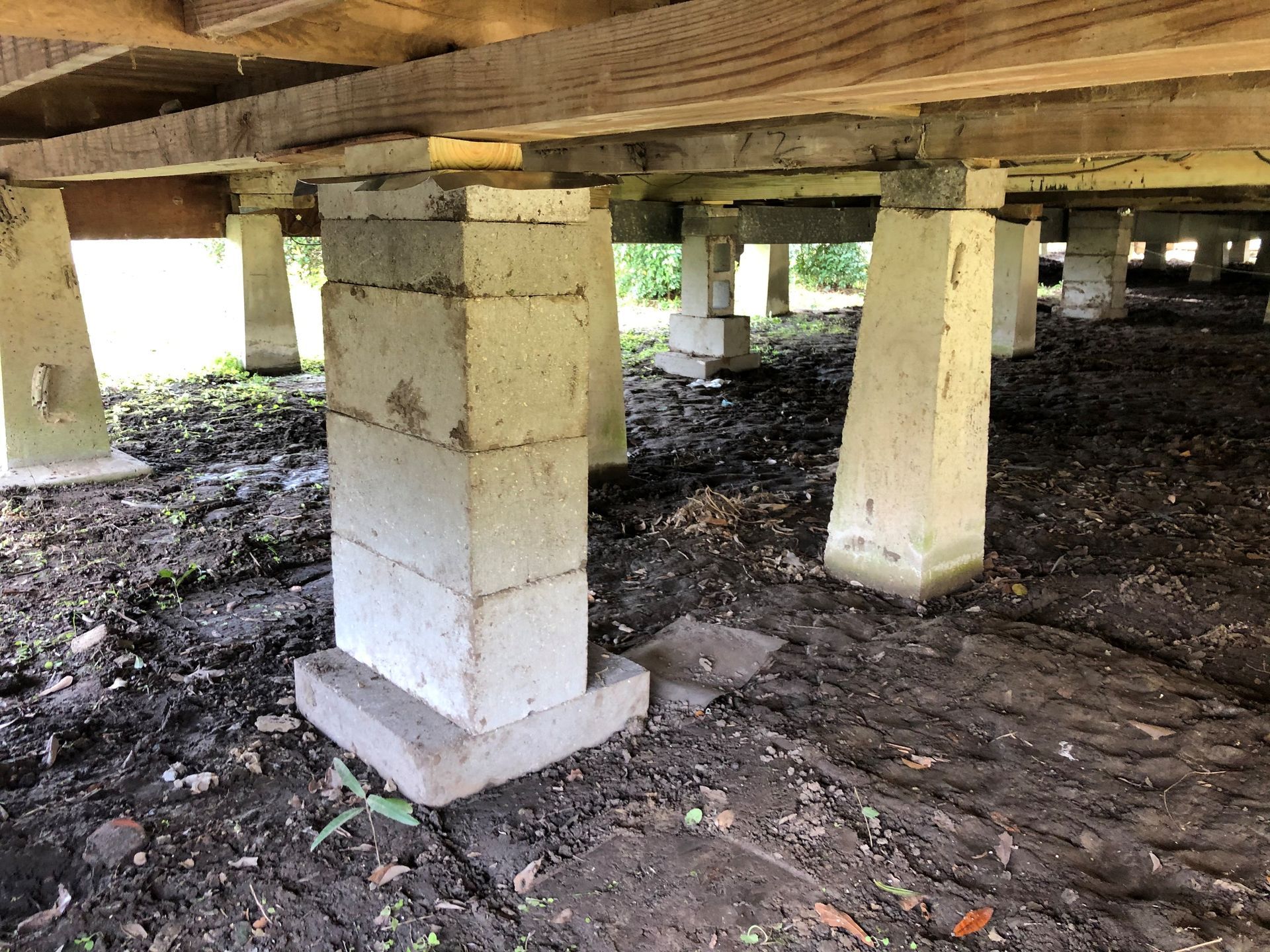
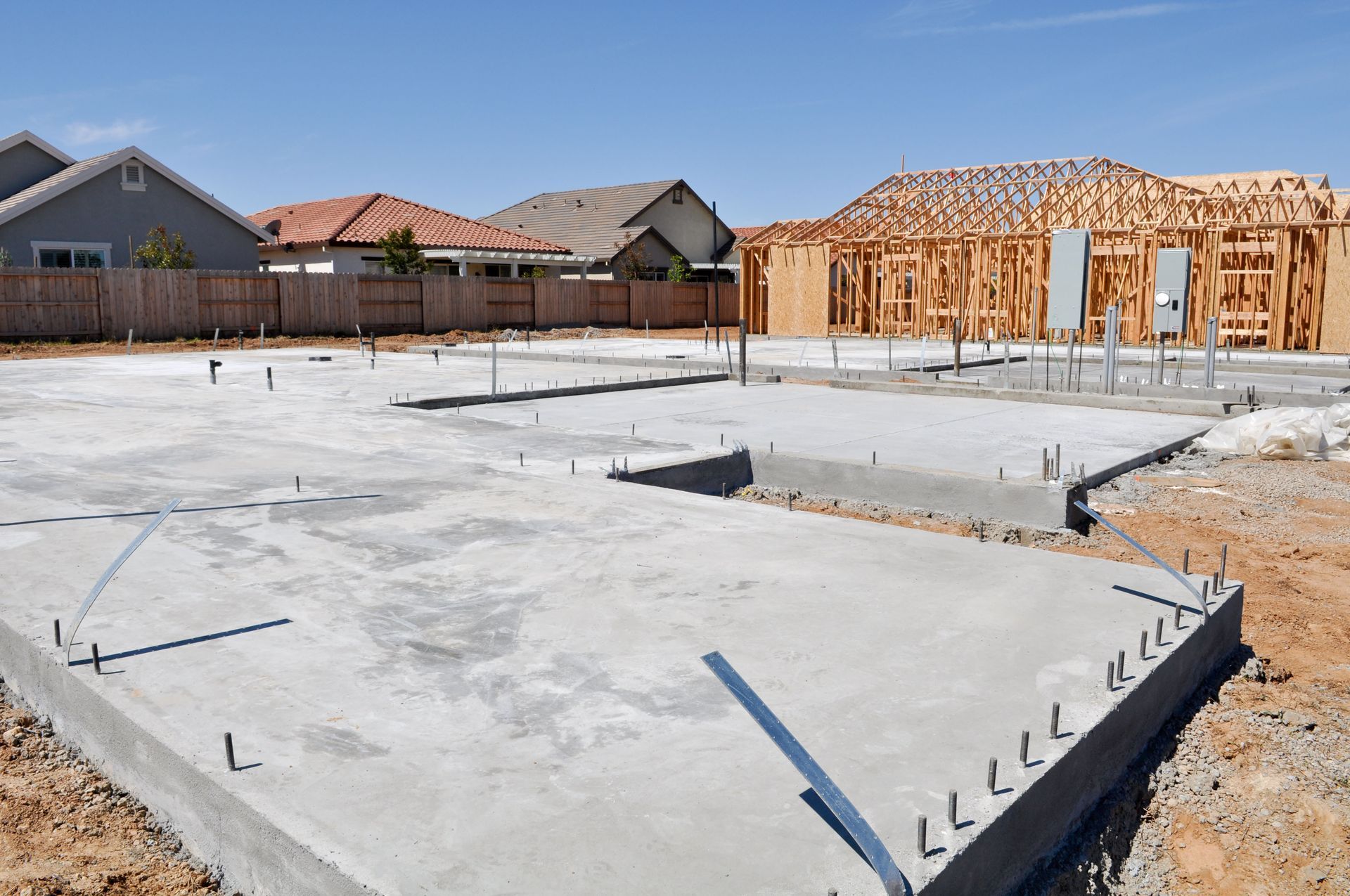
Sometimes, sagging floors stem from poor foundation construction when the house was initially built. Lack of attention to detail and shortcuts during construction can compromise the foundation's stability. Foundation problems often become more apparent after several years, as minor faults grow into significant issues. According to Today's Homeowner, only a slight floor sag is permitted in many building codes, often limited to about 1/360 of the floor's span. This emphasizes the importance of meeting construction standards from the outset.
C. Water Damage to Foundation
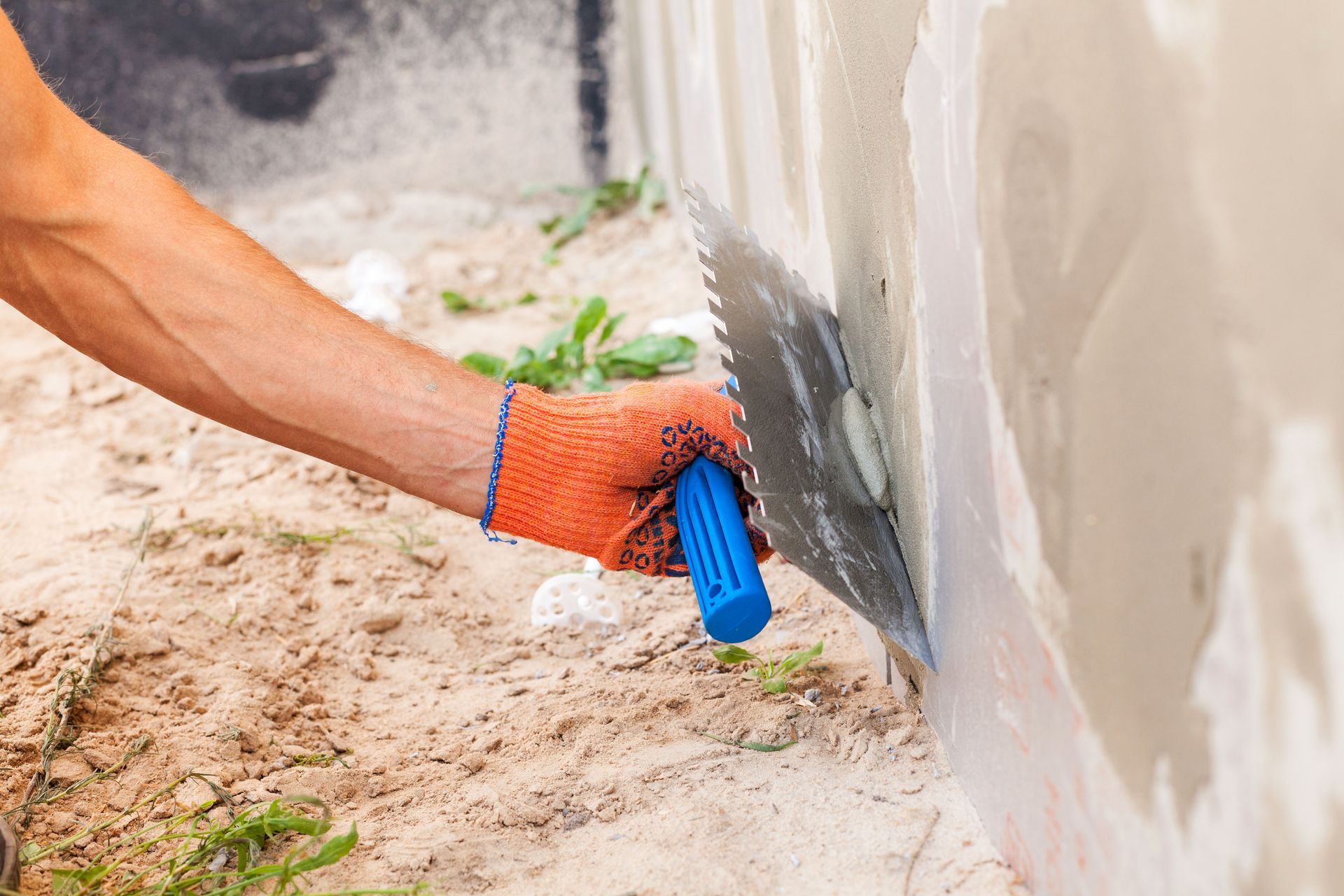
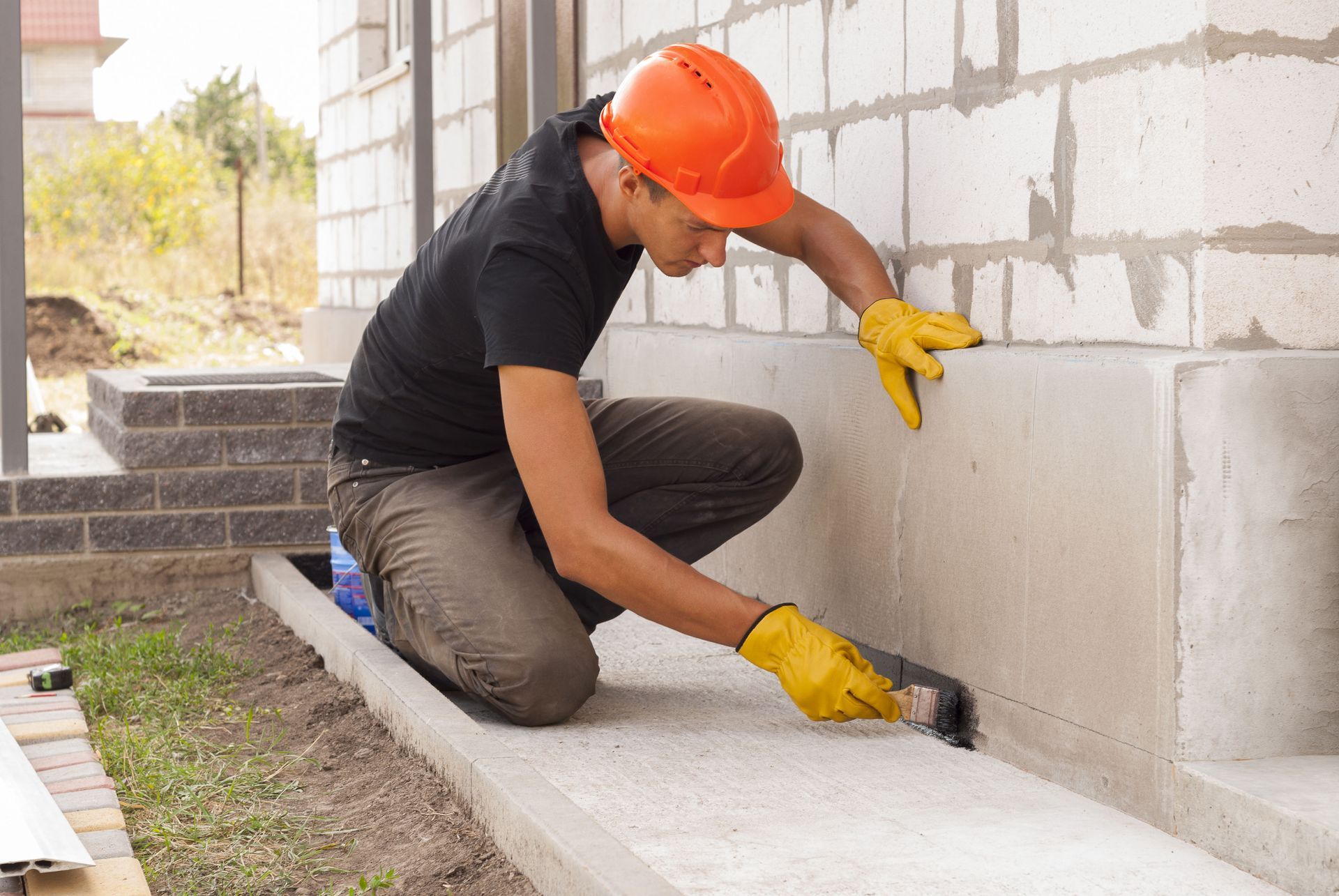
Water damage is a significant contributor to foundation issues leading to floor sagging. Persistent leaks or poor drainage can allow water to seep into the foundation, weakening its integrity. Over time, this can cause the foundation to crack or settle unevenly, a common reason floors begin to sag and eventually require a specialized house leveling service. Addressing water issues promptly by ensuring proper drainage and waterproofing the foundation can prevent such problems. Regular maintenance checks can identify early signs of water damage.
2. Water Leaks or Moisture Issues
A. Plumbing Leaks
Plumbing leaks can go unnoticed for extended periods, slowly damaging the structural integrity of your floor. Even small, persistent leaks can lead to water accumulation under floors, causing wood and other materials to warp or rot. Over time, continuous exposure to moisture leads to uneven floors as materials weaken under stress. Routine inspections of plumbing systems can help early detection of leaks. Quick repairs are vital to prevent lasting damage to the floors.
B. Basement Water Ingress
Basements are especially susceptible to water ingress, particularly in homes built in low-lying areas. Water seeping into the basement can compromise the support structure beneath the floors, leading to sagging over time. Installing sump pumps and waterproofing systems are effective solutions to manage water ingress. It's essential for homeowners to regularly inspect basements after heavy rainfall or snowmelt. Preventative measures can save significant repair costs in the future.
C. High Groundwater Level
Areas with high groundwater levels are at greater risk of moisture seeping into home foundations. This persistent exposure can cause the foundation to weaken and the flooring to sag. Proper installation of sub-surface drainage systems helps control groundwater levels around the home. Evaluating local environmental conditions before home construction can significantly influence design decisions. Awareness and proactive measures can mitigate potential groundwater-related issues.
D. Improper Drainage Systems
Faulty or inadequate drainage systems pose a significant risk to floors, as they fail to efficiently redirect water away from the home. Pooling water around the foundation can lead to erosion, compromising the structural stability of floors. Regular maintenance and inspection of drainage systems, including gutters and downspouts, are essential. Upgrading drainage solutions can prevent water from accumulating near the foundation. Ensuring these systems are in optimal condition protects against potential sagging risks.
3. Poor Structural Support
A. Rotted Joists or Beams
Joists and beams are critical components of a floor's support system; any decay in these elements can lead to sagging. Moisture exposure or insect damage often causes wood rot, weakening these supports over time. Routine inspections and maintenance of crawl spaces and attics can identify signs of rot early. Replacing or reinforcing compromised beams and joists prevents further sagging and maintains structural integrity. Understanding maintenance requirements for support structures is key to prolonging their lifespan.
B. Inadequate Load Bearing
Every floor has a designed load-bearing capacity, and insufficient strength can cause sagging under pressure. Floor construction must align with the intended use, considering factors like furniture weight and occupancy. Reinforcing floors with additional supports can prevent sagging if the current support system is inadequate. Consulting with structural engineers during renovations can ensure the load-bearing capacity meets current needs. Preventing overburdening floors protects against structural failures and sagging.
C. Construction Defects
Poor construction practices or materials can result in floors lacking structural integrity, leading to sagging. An initial oversight in design or implementation can cause significant issues over time, often requiring an expert house leveling service to correct the slope. Building codes are critical for ensuring long-term stability. Identifying defects early is crucial, as they often compound with time. Investing in quality workmanship and materials protects against defects impacting floor stability.
D. Poor Quality Materials
The use of subpar materials during construction or renovations can compromise floor strength. Over time, these materials may degrade, losing their ability to support weight efficiently. Investing in high-quality materials, although initially more expensive, ensures durability and reliability. Utilizing trusted suppliers and professionals can help to ensure quality. Routine checks and timely replacement of inferior materials can prevent future sagging.
4. Pests and Infestations
A. Termite Damage
Termites, burrowing into wood structures, can significantly weaken support elements, causing floors to sag. These pests often go unnoticed until severe damage has occurred, emphasizing the need for regular inspections. Preventative treatment and barriers around the property can deter termite infestations. Early detection and intervention are key to minimizing termite impact on structural supports. Professional pest control services provide targeted solutions to termite threats.
B. Carpenter Ant Destruction
Carpenter ants, while not consuming wood, create hollow structures within it, weakening supports and causing sagging. Like termites, they target moist areas, making homes with high humidity susceptible to infestations. Addressing moisture issues within the home reduces attractiveness to carpenter ants. Regular inspections and timely interventions can prevent extensive damage from these pests. Implementing pest control measures helps safeguard structural integrity against carpenter ant activities.
C. Rodent Activity
Rats and mice can cause significant damage to floors and their underlying structures, mainly through gnawing and nesting. Their presence often leads to more severe issues if allied with moisture intrusion, leading to accelerated material degradation. Sealing entry points and maintaining a clean environment reduce the potential for rodent infestations. Employing traps and professional pest control measures can manage existing infestations. Preserving floor integrity requires vigilance against rodent damage.
D. Wood-Boring Beetles
Wood-boring beetles, such as powderpost beetles, damage wood by laying eggs that hatch into larvae, which burrow through the material. This activity compromises the structural integrity of support beams, leading to sagging floors. Routine inspections can detect early signs of infestation before severe damage occurs. Utilizing treated wood during construction can deter beetle infestations. Professional pest treatments provide effective control against wood-boring beetles and preserve structural elements.
Sagging or sinking floors can stem from numerous causes, including foundational issues, moisture problems, poor structural support, infestations, and improper renovations. Early identification and intervention through a reputable house leveling service are crucial to address these issues effectively and prevent further damage or safety concerns. By understanding underlying causes and taking proactive measures, homeowners can maintain the structural integrity and value of their properties.
Ultimately, proactivity is your most effective financial shield. Catching a shifting foundation or a minor structural defect early allows for targeted, cost-effective reinforcement like sistering joists or installing minor support jacks. Waiting until the drywall begins to split and doors refuse to frame properly guarantees a complex, disruptive remediation project that makes an emergency house leveling service unavoidable. Safeguard your family and protect your real estate equity by treating an unlevel floor as the urgent diagnostic warning it truly is and contacting Best Foundation Repair Service today.
Share On: