
7 Problems Foundation Repair Can Prevent Before They Spread
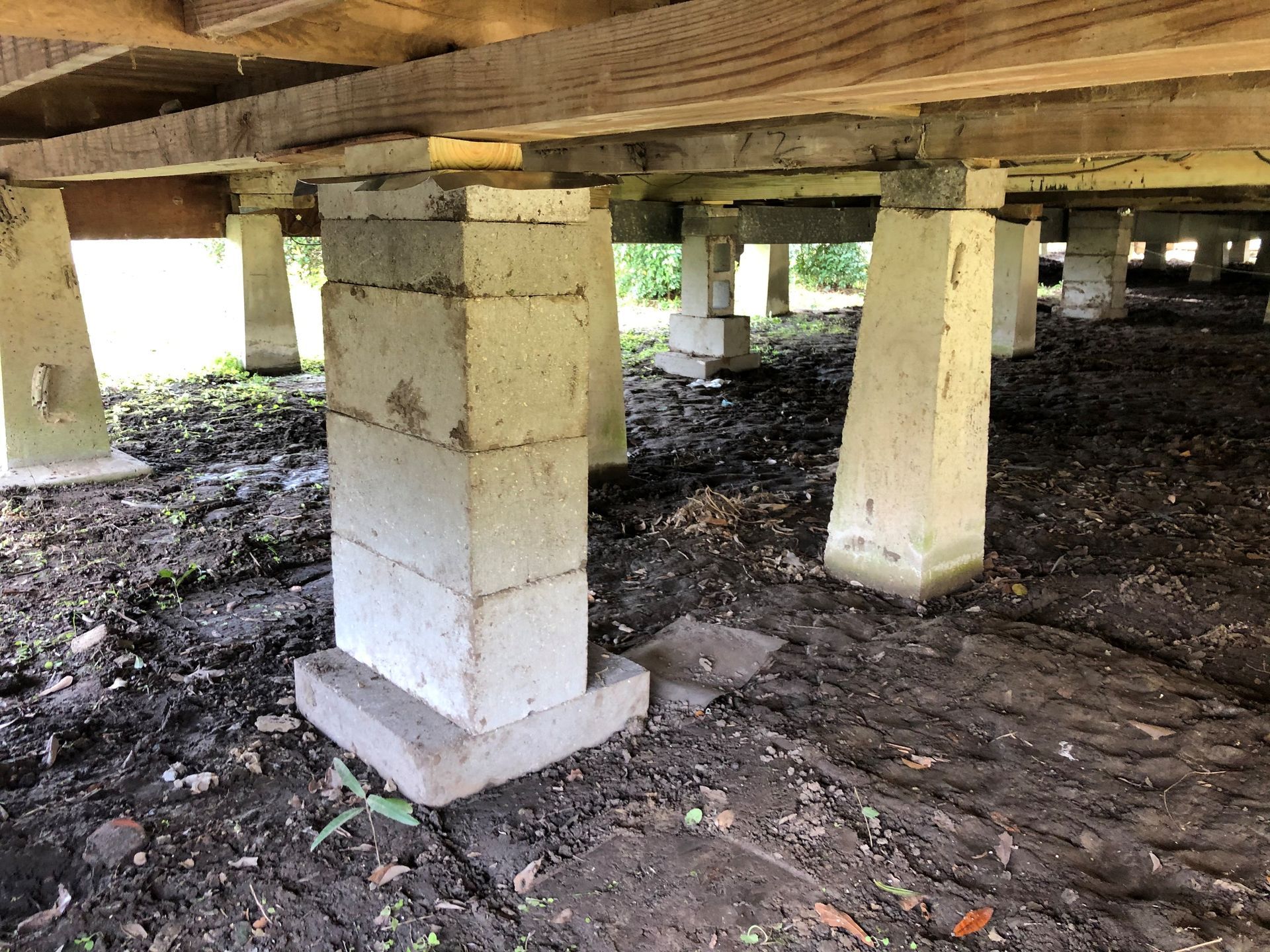
Your home's foundation supports every wall, floor, and structural component above it. When foundation issues begin to develop, they rarely stay isolated for long. Small cracks, uneven settling, or moisture intrusion can gradually affect other areas of the home, leading to expensive repairs and safety concerns if left unaddressed. Recognizing early warning signs and investing in professional foundation repairs can help homeowners avoid more significant structural problems while protecting their property's value.
According to This Old House, most foundation repairs are completed within one to five days, while larger or more complex projects may require a week or longer. That means addressing issues promptly is often less disruptive than many homeowners expect. In this article, we'll explore seven major problems foundation repair can prevent before they spread throughout your home.
1. Structural Cracks That Continue to Grow
One of the earliest signs of foundation movement is the appearance of cracks throughout the home. While hairline cracks may sometimes result from normal settling, larger or expanding cracks often indicate that the foundation is shifting beneath the structure.
As the foundation moves, stress transfers to walls, ceilings, floors, and even exterior masonry. Small cracks may widen over time, creating openings that allow moisture, pests, and outside air to enter the home. Eventually, these cracks can compromise the structural integrity of walls and other building materials.
Professional foundation repairs stabilize the home's base before additional movement occurs. Contractors identify the source of settlement or shifting and implement solutions that restore stability while minimizing future movement. Repairing the foundation early often prevents cosmetic damage from becoming a much larger structural concern.
Ignoring structural cracks can also make future repairs far more expensive because multiple systems throughout the home may require restoration instead of addressing only the original foundation issue.
2. Uneven Floors and Interior Instability
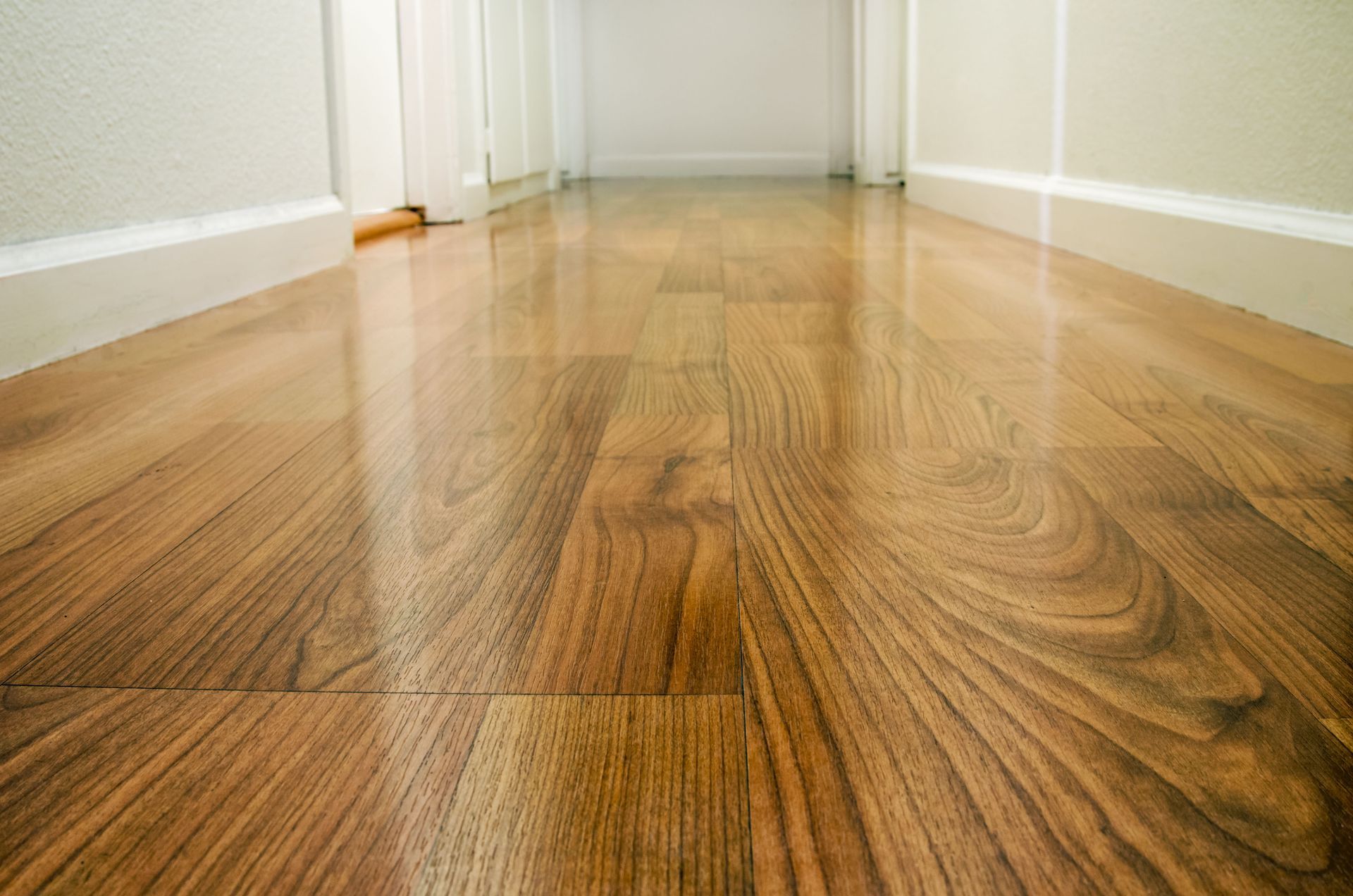
Many homeowners first notice foundation problems when floors begin to slope, sag, or feel uneven underfoot. Although these changes may seem minor initially, they often indicate that sections of the home's foundation are settling at different rates.
As uneven settling continues, flooring materials may crack, hardwood boards can separate, and tile may become damaged. Furniture may no longer sit level, and doors throughout the home may begin swinging open or closed unexpectedly.
These symptoms usually become progressively worse because the underlying movement doesn't simply stop on its own. Stabilizing the foundation addresses the root cause rather than continually repairing damaged flooring.
Proper foundation repairs restore support beneath the structure, helping reduce further settling and protecting both the flooring and framing systems above. Correcting these issues early also helps preserve the home's comfort and functionality while preventing additional structural stress.
3. Moisture Intrusion and Water Damage
Foundation damage often creates pathways for water to enter basements, crawl spaces, and lower living areas. Even small foundation cracks can allow groundwater to seep inside during heavy rain or periods of elevated soil moisture.
Once moisture enters the home, it rarely stays confined to one location. Damp conditions encourage mold growth, wood rot, mildew, and damage to insulation or stored belongings. Excess humidity may also affect indoor air quality, making living spaces less comfortable.
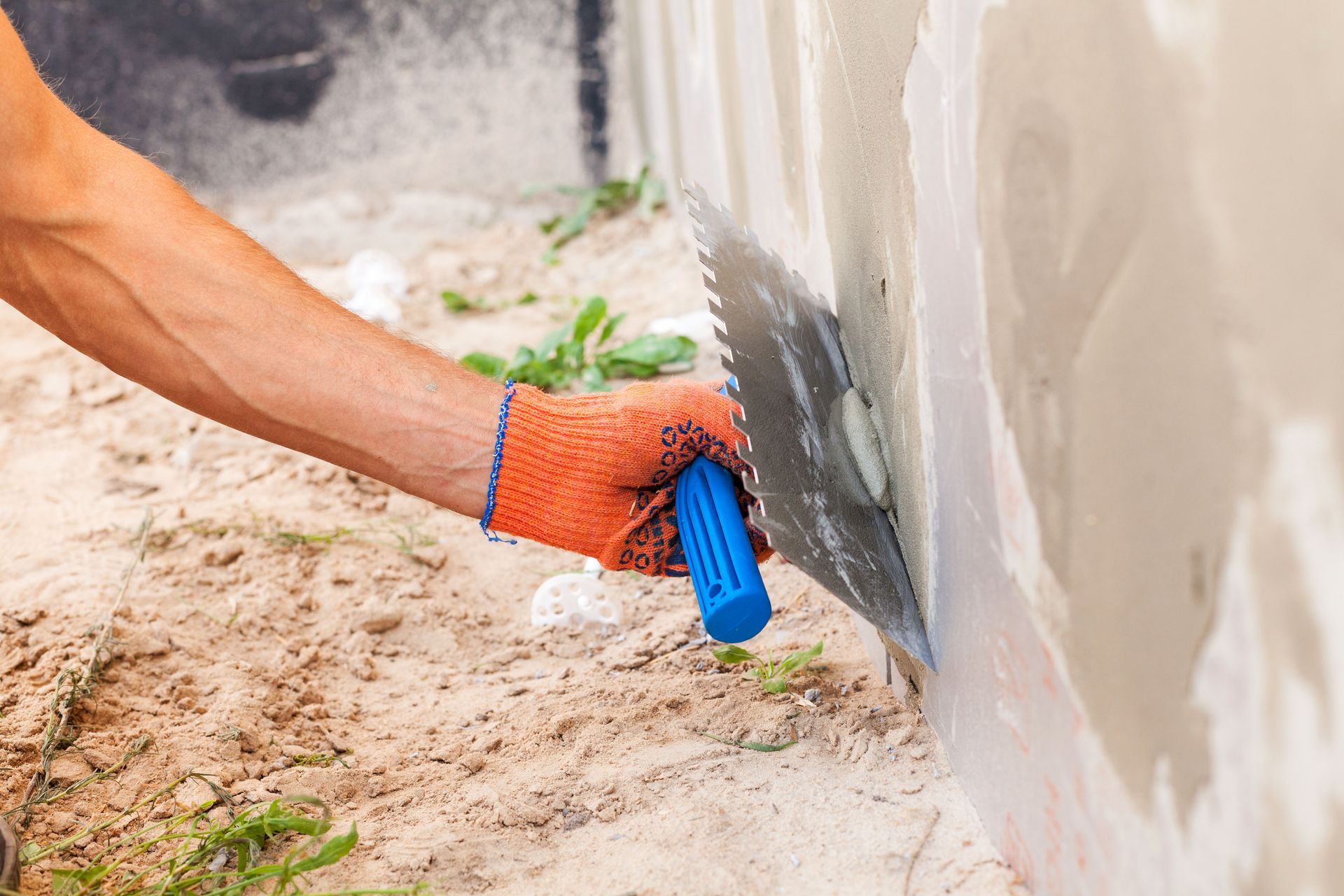
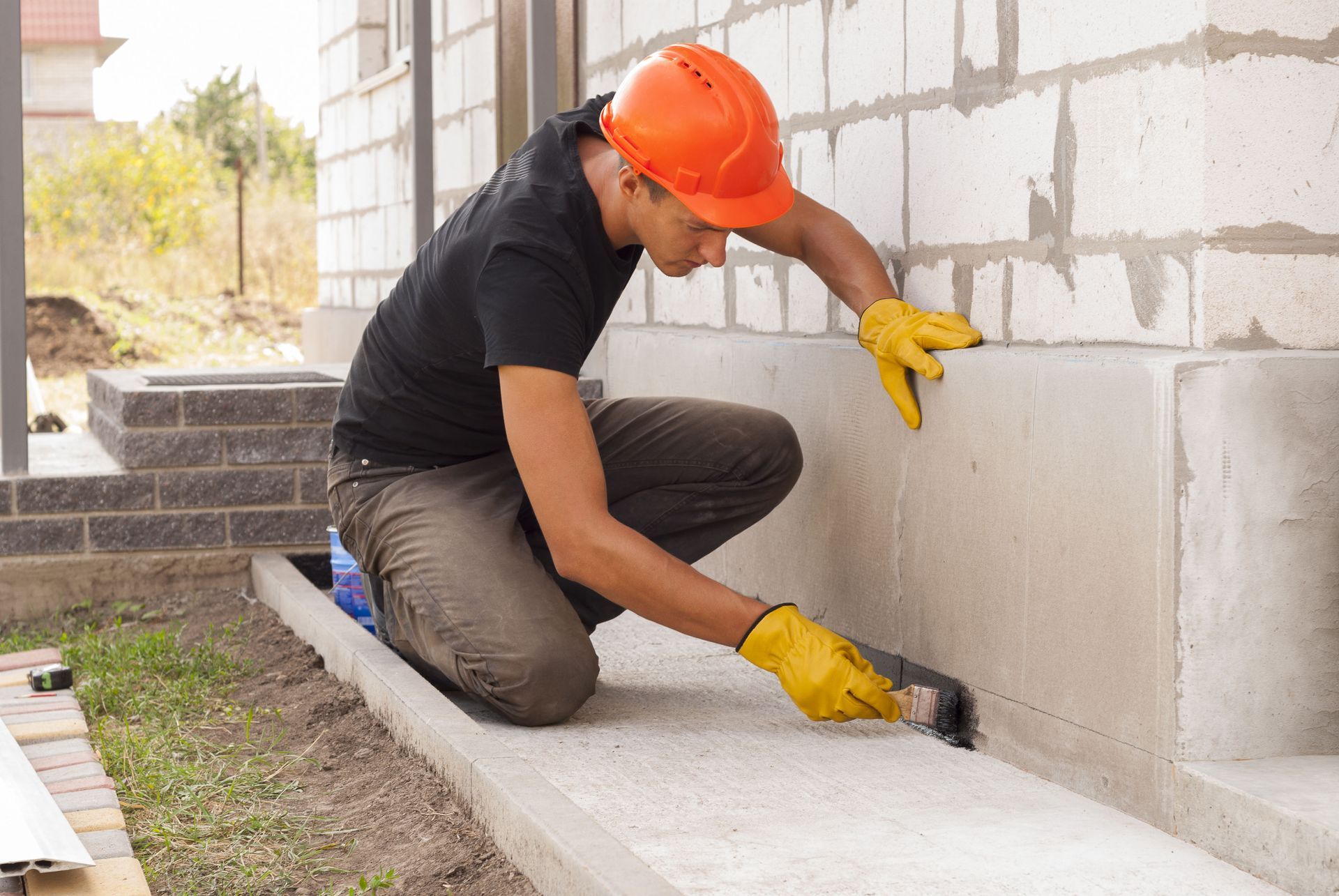
Professional foundation repairs frequently include sealing cracks, stabilizing foundation walls, and addressing drainage conditions contributing to water intrusion. These improvements help reduce moisture entry while protecting the home's structural components.
Preventing water infiltration early often saves homeowners from dealing with costly mold remediation, damaged finishes, and ongoing moisture-related repairs. It also helps create a healthier indoor environment for everyone living in the home.
4. Sticking Doors and Misaligned Windows
Doors and windows rely on square, stable framing to open and close smoothly. When a foundation shifts, the framing throughout the house can become distorted, causing noticeable operational problems.
Homeowners may find themselves forcing doors shut, struggling to latch locks, or noticing windows that stick whenever they try to open them. In some cases, gaps appear around door frames or window casings, allowing drafts and moisture to enter the home.
Although adjusting the doors or replacing hardware may provide temporary relief, those fixes won't solve the underlying structural movement. As long as the foundation continues shifting, alignment problems typically return.
Experienced contractors performing foundation repairs address the structural movement responsible for these issues. Once stability is restored, many doors and windows return to proper alignment or require only minimal adjustment. Maintaining proper alignment also improves energy efficiency by reducing unwanted air leaks that increase heating and cooling costs.
5. Exterior Cracking and Structural Damage
Foundation movement doesn't only affect the inside of a home. Exterior materials often show signs of distress as the structure shifts over time.
Brick veneer may develop stair-step cracks. Stucco finishes can split apart. Siding may begin separating near windows and doors, while concrete walkways, patios, or driveways may shift alongside the foundation. Chimneys may even begin leaning if settlement becomes severe.
These visible problems often indicate that structural movement has been occurring for some time. Cosmetic repairs alone generally won't prevent the damage from returning because the foundation remains unstable.
Addressing the underlying issue through professional foundation repairs helps protect the home's exterior from continued movement and additional cracking. Early intervention often limits the amount of cosmetic restoration needed while preserving curb appeal and property value. Maintaining a stable foundation also protects attached structures that rely on consistent support throughout changing weather conditions and seasonal soil movement.
6. Plumbing Problems Beneath the Foundation
Many plumbing systems run directly beneath or through the home's foundation. When the foundation settles or shifts unevenly, these pipes may become stressed, misaligned, or even crack.
Small plumbing leaks can remain hidden for extended periods while gradually causing water damage beneath the home. Ironically, leaking water may also contribute to additional soil erosion or instability around the foundation, creating an ongoing cycle of worsening structural problems.
Homeowners may notice unusually high water bills, damp flooring, reduced water pressure, or unexplained moisture around the property. Unfortunately, by the time these symptoms become obvious, substantial damage may already exist.
Timely foundation repairs help minimize additional movement that could place further strain on plumbing lines. Coordinating foundation stabilization with plumbing inspections often allows contractors to resolve multiple issues before they escalate into much larger repair projects. Protecting underground utilities also reduces the likelihood of emergency plumbing failures that disrupt daily life.
7. Declining Property Value and Buyer Confidence
Foundation problems often raise concerns for potential buyers because structural issues can affect both safety and long-term maintenance costs. Even relatively minor foundation movement may influence home inspections, financing approvals, or resale negotiations.
Visible cracks, uneven floors, sticking doors, and moisture intrusion can all create the impression that a home has deferred maintenance. Buyers may request substantial price reductions or choose another property altogether.
Addressing structural concerns proactively demonstrates responsible homeownership while preserving marketability. Well-documented repairs completed by qualified professionals often provide reassurance that the home has been properly stabilized.
According to This Old House, most repair projects are completed within one to five days, with larger or more involved foundation projects sometimes taking a week or longer. Acting quickly helps homeowners address issues before they spread, making the process more manageable while protecting their investment for years to come.
Taking a proactive approach also protects your home's safety, comfort, and long-term value. If you've noticed signs of foundation movement or want peace of mind about your home's condition, contact Best Foundation Repair Service today to schedule an inspection and learn how timely foundation repairs can keep your home strong for years to come.
Share On: