
6 Common Misconceptions About House Leveling for Mobile Homes
Mobile homes can shift out of level for several reasons, including soil movement, moisture changes, aging supports, and settlement beneath the structure. When that happens, homeowners may notice sloping floors, sticking doors, wall cracks, gaps, or changes in how the home feels underfoot.
At Best Foundation Repair Service, we provide foundation repairs and house leveling for mobile homes, pier-and-beam houses, slab homes, portable buildings, and commercial properties throughout Beaumont and surrounding Southeast Texas communities. Understanding what leveling can and cannot do helps homeowners respond to warning signs without relying on common myths.
Misconception 1: Mobile Homes Do Not Need Leveling
Because a mobile home is constructed differently from a site-built house, some homeowners assume slight movement is normal and does not require attention. The reality is that the support system still needs to keep the structure properly aligned.
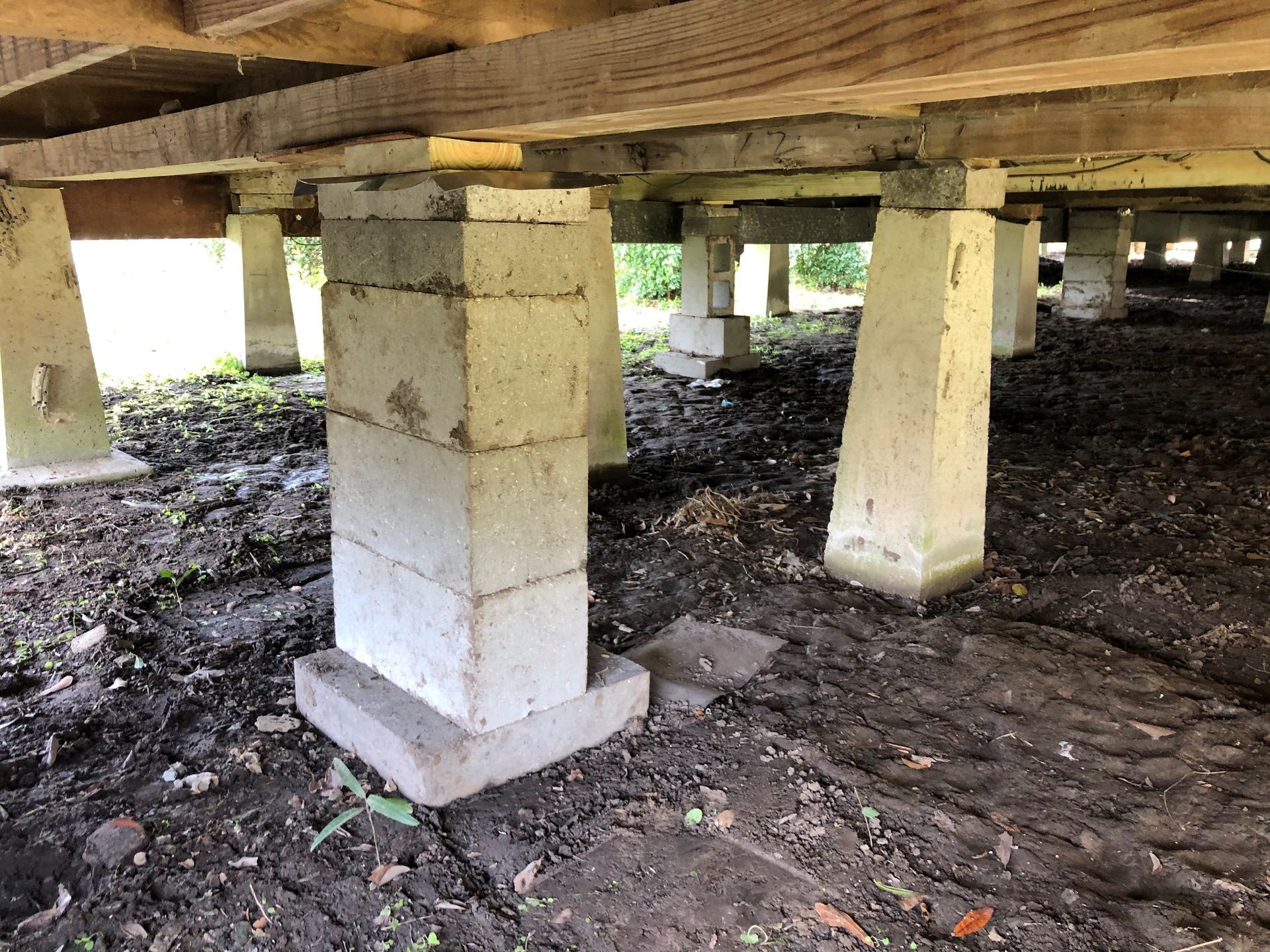
Mobile homes may rest on piers, blocks, or other support systems that can be affected by soil conditions and moisture. In Southeast Texas, heavy rain, flooding, and changes in expansive soils can contribute to movement beneath a structure. Over time, one section may settle differently from another.
Warning signs can include uneven or sagging floors, doors that stick, gaps between walls and ceilings, visible sloping, or changes in skirting and exterior alignment. These symptoms deserve evaluation rather than being dismissed as a normal part of mobile-home ownership.
Leveling also affects how connected features perform. Steps, porches, skirting, utility connections, and interior finishes can all react when the structure shifts. Correcting alignment before movement becomes severe can help limit stress on these surrounding components and give the homeowner a clearer starting point for any additional repairs that may be needed.
Misconception 2: Leveling Is Only About Making Floors Feel Even
A more level floor is an obvious result, but correcting alignment can affect much more than comfort. When sections of a mobile home settle unevenly, stress can transfer into walls, door frames, plumbing connections, support beams, and other components.
That is why professional evaluation looks at the structure as a whole. Best Foundation Repair Service checks interior and exterior signs of movement, measures elevation differences, and reviews conditions around the foundation before developing a repair approach.
House leveling is not simply a cosmetic service intended to make furniture sit straight. The goal is to restore proper support and alignment while identifying conditions that may continue contributing to movement.
Misconception 3: Mobile Home Leveling Is an Easy DIY Project
Online guides can make the process sound straightforward: check the level, place a jack beneath the structure, raise the low areas, and adjust the supports. In practice, lifting a structure safely and evenly requires careful measurements, appropriate equipment, and an understanding of how the home is supported.
According to This Old House, leveling a mobile home is physically demanding because it involves crawling underneath the home and using 10- to 30-ton hydraulic jacks to raise and adjust it. Incorrect lifting can create additional stress, damage supports, or worsen existing structural problems.
Professional crews also know that adjustments may need to be gradual. Raising one area too quickly or without checking the rest of the structure can affect doors, walls, plumbing, and other connected components. For significant movement, professional house leveling is safer than treating structural lifting as a weekend repair.
Misconception 4: Every Mobile Home Is Leveled the Same Way
There is no single leveling method that fits every property. The size of the mobile home, the type and condition of its supports, the amount of settlement, drainage, soil conditions, access beneath the structure, and previous repairs can all influence the work.
A single-wide home may present different challenges from a double-wide because the structure and support layout are different. Likewise, a home with isolated support settlement may require a different approach from one with widespread movement beneath several sections.
Best Foundation Repair Service uses specialized leveling equipment for mobile homes and evaluates the structure before determining how adjustments should be made. The company also works on pier-and-beam, slab, chain-wall, and other foundation types, so the repair strategy is based on the actual support system rather than a generic procedure.
Access beneath the home can also change the process. Tight crawl areas, damaged skirting, standing water, deteriorated blocks, or limited room for equipment may require additional preparation before adjustments begin. A contractor should evaluate these conditions rather than assuming every mobile home can be lifted and reset using the same sequence.
Misconception 5: Leveling Permanently Solves Every Foundation Problem
Leveling can correct elevation and alignment, but it does not make the surrounding soil stop moving. If poor drainage, erosion, plumbing leaks, flooding, or moisture imbalance contributed to settlement, those conditions may also need to be addressed.
This is particularly important in Southeast Texas, where soil can expand and contract as moisture levels change. Water collecting around one section of a property can create different conditions beneath the home than the soil on the opposite side.
Best Foundation Repair Service provides drainage and waterproofing solutions in addition to foundation repair. Depending on the property, long-term stability may involve controlling runoff, improving drainage, repairing damaged supports, or addressing plumbing leaks along with the leveling work.
Professional house leveling should therefore begin with identifying why the structure moved, not simply correcting the visible slope and assuming the underlying cause has disappeared.
Misconception 6: You Should Wait Until the Home Is Severely Uneven
Homeowners sometimes postpone evaluation because the floor is only slightly uneven or a sticking door does not seem urgent. Minor symptoms, however, can be early signs of movement that may become more noticeable over time.
Best Foundation Repair Service recommends scheduling an inspection after warning signs appear rather than waiting for major structural changes. Early evaluation may reveal whether the issue is limited, whether supports have shifted, or whether another condition such as drainage or a plumbing leak is contributing to the problem.
Common signs worth checking include:
- Sticking doors: Doors that suddenly rub, drag, or refuse to latch may reflect changes in the frame.
- Uneven floors: Sloping, sagging, or soft-feeling areas can indicate movement in the support system.
- Wall or ceiling cracks: New cracks can develop as different parts of the structure shift.
- Visible gaps: Spaces between floors, walls, ceilings, or trim may indicate changing alignment.
- Exterior changes: Buckled skirting, an uneven appearance, or shifting steps and porches can accompany settlement.
Not every symptom automatically means extensive foundation damage. An inspection helps separate normal wear from conditions that require structural correction.
Know What Professional Leveling Should Include
A professional service should begin with an assessment rather than immediate lifting. The contractor needs to understand where the home is low, how the supports are performing, and whether other foundation or drainage issues could affect the result.
Homeowners should ask how elevation will be measured, what supports may need adjustment or repair, whether damaged joists or sills are present, and what steps will be taken after the home is brought back into alignment. They should also ask whether additional work is recommended to reduce the chance of recurring movement.
Best Foundation Repair Service has more than 19 years of experience with residential and commercial foundation repairs in the Golden Triangle area. We are bonded and insured, provide free estimates and engineering reports, and offer leveling for mobile homes along with pier-and-beam leveling, slab repairs, damaged sill and joist repairs, drainage solutions, and plumbing leak detection.
A follow-up check can confirm that the house leveling work remains stable after the structure has settled.
If your mobile home has uneven floors, sticking doors, gaps, sagging areas, or other signs of movement, contact Best Foundation Repair Service. Our team can inspect the structure, identify the source of the problem, and determine whether house leveling or another foundation repair solution is appropriate for your property.

Share On: